
Blog
Car buying costs in Switzerland: why the purchase price is not the real budget
Buying a car in Switzerland: check purchase price, insurance, tax, service, tyres, fuel, repairs and real ownership costs before buying.
26.08.2026
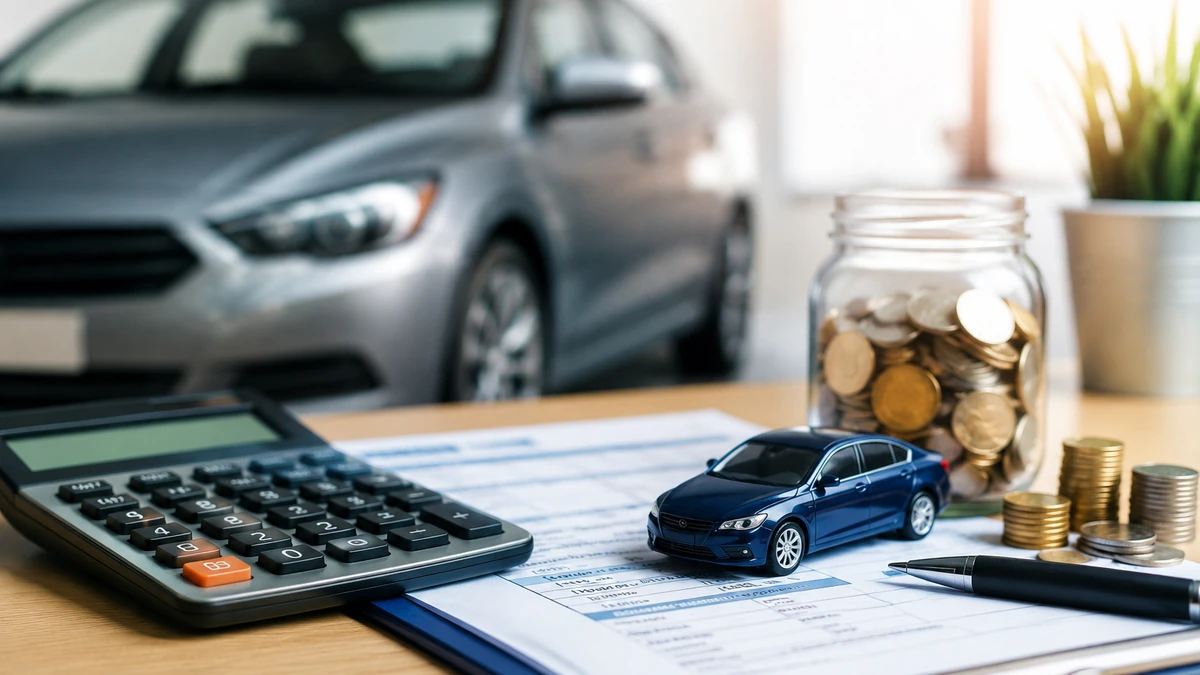
When buying a car in Switzerland, many buyers look first at the purchase price. That is understandable, but it is not enough. A cheap car can become expensive after purchase if insurance, tax, service, tyres, repairs or fuel costs do not fit your budget.
This is not a generic car-buying article. It focuses on the real budget before buying: which costs come after the purchase price, which cars look cheap but become expensive in daily use, and how buyers can compare listings more realistically on Autogrid.ch.
Why the purchase price is only the beginning
A car is not paid only once. After the purchase, regular costs follow. The real question is not only: “Can I buy this car?”, but also: “Can I drive and maintain this car comfortably every month?”
Two cars with a similar purchase price can have very different ownership costs.
The real car budget check
- Purchase price: the visible price in the listing.
- Insurance: liability, partial cover or full cover depending on your situation.
- Road tax: depending on canton and vehicle.
- Fuel or electricity: petrol, diesel, hybrid or electric in daily use.
- Service: maintenance intervals, service history and upcoming work.
- Tyres: summer tyres, winter tyres, second set and tread depth.
- Repairs: especially important for older cars or high mileage.
- Parking: garage, parking space or local parking costs.
- Depreciation: important if you want to sell the car later.
Buying cheap can become expensive
The cheapest vehicle in the list is not automatically the best offer. A low price can point to inspection due soon, old tyres, missing service history, high mileage or known defects.
A car for 5,000 CHF can end up more expensive than a car for 6,500 CHF if tyres, brakes, service or repairs are needed right after purchase.
The 3-question rule before buying
- What does the car cost today? Purchase price and initial registration.
- What will it cost in the next 12 months? Insurance, tax, service, tyres and repairs.
- What reserve do I need for surprises? Brakes, battery, electronics, inspection or small damage.
Check insurance before buying
Insurance costs can vary a lot depending on the vehicle, driver profile, location and chosen cover. A sporty or premium car can cost more to insure than a simple city car, even when the purchase price looks similar.
Before buying, roughly estimate the insurance cost, especially for young drivers, powerful cars or expensive vehicles.
Road tax and canton
Road tax can differ depending on canton and vehicle data. Buyers should check this before buying, especially for heavy SUVs, powerful vehicles or older models.
Fuel or electricity: focus on real daily use
- Petrol: simple and common, but consumption differs by engine.
- Diesel: interesting for high mileage, but not ideal for every use case.
- Hybrid: useful when your driving profile fits the technology.
- Electric: strong option with suitable charging and range.
Service history: a key future-cost signal
Service history shows what has already been done and what may come next.
- When was the last service?
- Is there a service book or digital service history?
- Are invoices available?
- Have brakes, tyres, battery or timing belt already been replaced?
- Does the maintenance match the mileage?
Tyres can change the deal
Good summer and winter tyres are a real advantage. If tyres need replacing soon, that cost belongs in your budget.
A slightly more expensive car with good tyres can be more attractive than a cheaper car with worn tyres.
Inspection: trust and cost planning
A recent or valid inspection can help with cost planning. If inspection is due soon, the price should be reviewed more carefully.
Inspection does not mean the car is perfect, but it is an important point when judging possible near-term costs.
Mileage: look at the full picture
Low mileage is attractive, but not enough on its own. A higher-mileage car with clear maintenance can be safer than a low-mileage vehicle with unclear history.
Always compare mileage together with age, service, tyres, inspection and condition.
Used premium car: watch the running costs
A used premium car can look very tempting online. The purchase price may be surprisingly low. But tyres, brakes, electronics, insurance, service and parts can cost more than on a simple car.
Do not buy only the badge. Buy according to the full budget.
Buying an electric car
Electric cars shift the cost structure. Fuel is replaced by charging, but range, battery, cable and warranty become more important.
- Is a charging cable included?
- Can you charge at home or at work?
- Does the range fit your daily use?
- Is battery warranty information available?
- What will winter tyres cost?
Family car: space also has a cost
A family car needs to be practical: Isofix, rear seats, boot space, safety and comfort. But a larger vehicle can also mean larger tyres, higher consumption, more weight and higher service costs.
The 12-month calculation
- Purchase price
- Insurance
- Road tax
- Fuel or electricity
- Service
- Tyres
- Parking
- Repair reserve
If this calculation already feels tight, the car is probably not the right choice, even if the purchase price looks attractive.
Compare on Autogrid.ch
On Autogrid.ch, buyers can compare vehicles in Switzerland by make, model, price, mileage, fuel type, transmission and other details. Use the platform not only to find the cheapest car, but to find the best overall package.
Start through Auto Inserate Schweiz and compare price, inspection, service history, photos, tyres, equipment and condition.
Conclusion
Car buying costs in Switzerland do not end with the listing price. Insurance, tax, fuel or electricity, service, tyres and repairs all belong to the real decision.
A good purchase is not just a cheap car. It is a vehicle that fits your daily life and your budget.