
Blog
Used cars in Switzerland: how to find the right vehicle instead of only the lowest price
Used cars in Switzerland: compare daily use, budget, inspection, mileage, vehicle type, equipment and seller profile before buying.
27.08.2026
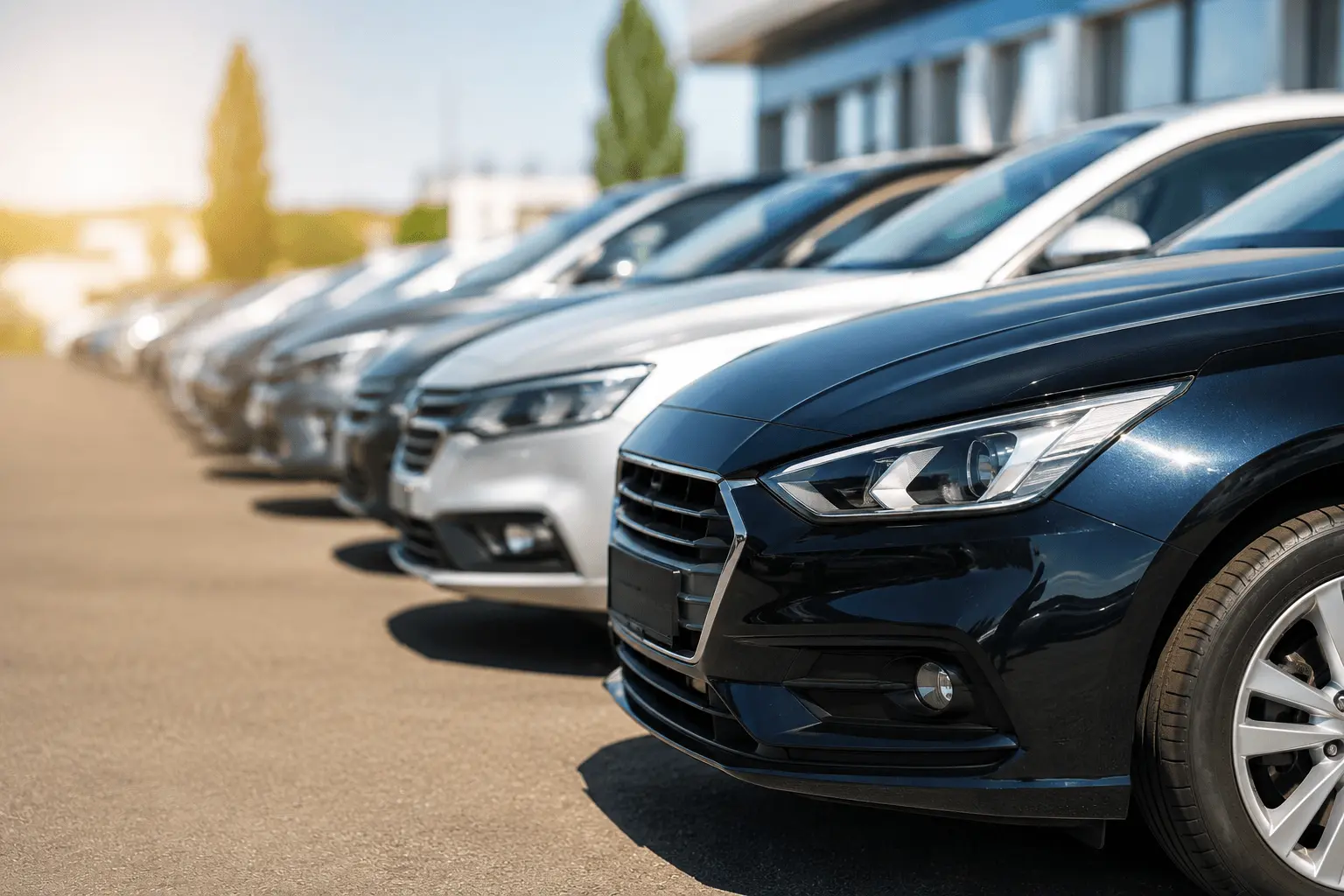
When searching for used cars in Switzerland, many buyers want to find a good offer quickly. But this is where many mistakes happen: buyers sort only by price, click the cheapest listing and later realise that the car does not fit their daily use, budget or future costs.
This is not a generic used-car article. It is a clear buying guide for used cars in Switzerland: which car fits which lifestyle? When is a low price truly good? Which listing details show quality? And how can buyers use Autogrid.ch to find the right vehicle, not just any vehicle?
Do not compare used cars only by price
Price matters, but it is not the full story. A very cheap car can become expensive if inspection is due soon, tyres need replacing, service history is unclear or fuel consumption does not fit your daily use.
The better starting point is not: “Which car is cheapest?” The better question is: “Which car fits my daily life, my budget and my risk level?”
The 5-point buying compass
- Daily use: city, motorway, family, work, mountains or short trips?
- Budget: purchase price plus insurance, tax, service, tyres and reserve.
- Vehicle type: city car, estate, SUV, sedan, van, electric or hybrid.
- Risk: recent inspection, service history, mileage and known defects.
- Seller profile: private seller, garage, dealer or active seller.
City drivers: small car or compact used car?
If you mainly drive in the city, you do not automatically need a large vehicle. A compact petrol, hybrid or small electric car can be more practical than a heavy SUV.
- easier to park
- often cheaper for tyres and maintenance
- more practical in urban traffic
- good for short trips
- less space needed in daily use
For city cars, pay attention to parking marks, wheels, bumpers, clutch, brakes and interior wear.
Commuters: consumption, comfort and service matter
For commuters, the purchase price is not enough. If you drive many kilometres, comfort, fuel consumption, noise level, service history and reliability matter more.
- realistic consumption on motorway and country roads
- comfortable seats and good ergonomics
- cruise control, assistance systems or automatic transmission
- regular maintenance
- tyres and brakes in good condition
A slightly more expensive car can be better for commuting if service, tyres and consumption fit better.
Families: space alone is not enough
Families often look for estate cars, SUVs or vans. But size is not enough. Check Isofix, doors, boot space, rear seats, safety and interior condition.
- check Isofix and rear seats
- test boot space for stroller or luggage
- pay attention to door opening and access
- check interior wear
- consider summer and winter wheels
A family car must be robust and practical, not only large.
Used SUVs: do not buy only for the look
SUVs are popular, but buyers should compare carefully. An SUV can offer more visibility, comfort and sometimes all-wheel drive. At the same time, tyres, consumption, insurance and maintenance can cost more than on a smaller vehicle.
- Do you really need all-wheel drive?
- Is a tow bar included?
- How much do tyres and service cost?
- Does fuel consumption fit your daily use?
- Is the boot really more practical?
Electric and hybrid used cars: check differently
For electric and hybrid cars, price and mileage are not enough. Range, battery, charging cable, charging options, warranty and daily use are especially important.
- Does the range fit your commute?
- Is a charging cable included?
- Can you charge at home or at work?
- Is battery or warranty information available?
- How realistic is winter range?
Inspection: an important trust point
When buying a used car in Switzerland, inspection is an important point for many buyers. It does not replace a complete technical check, but it helps estimate risk.
- Recent inspection: strong signal, especially for older vehicles.
- Valid inspection: useful if the date is clear.
- Inspection due soon: check the price more critically.
- No inspection information: ask before viewing.
Mileage: low does not always mean better
Low mileage is attractive, but it is not everything. A higher-mileage car with clear service history can be better than a low-mileage vehicle with unclear maintenance.
Always compare mileage together with age, usage, service history, inspection, tyres and condition.
Service history: the quiet proof of quality
A clear service history makes a used car much more trustworthy. Do not only ask whether the car was maintained. Ask whether proof is available.
- service book or digital service history
- repair invoices
- proof for brakes, tyres or battery
- major maintenance at higher mileage
- maintenance that matches age and mileage
Photos and video: the listing should feel like an online viewing
A good used-car listing does not only show one nice main photo. Buyers should see the front, rear, sides, interior, boot, mileage, tyres and important details.
If a short video is available, it can increase trust because it gives a more realistic impression of the vehicle.
Private seller or dealer?
Used cars can be offered by private sellers, garages or dealers. Both options can be interesting. The key is not only the seller type, but how transparent the listing is.
- Private sale: direct communication, sometimes attractive price.
- Garage or dealer: often more structured process and several vehicles to compare.
- Important for both: clear details, good photos, inspection, service history and honest description.
The best price is not always the lowest price
A good offer is not defined only by a low price. A fair price matches condition, inspection, service history, mileage, equipment, tyres and seller transparency.
A car with recent inspection, good tyres and clear history can be better than a cheaper vehicle with many open questions.
The traffic-light method for used cars
- Green: clear photos, inspection stated, service traceable, realistic price, seller answers clearly.
- Yellow: interesting vehicle, but some information is missing. Ask first, then view.
- Red: few details, weak photos, no inspection information, contradictory answers or pressure to buy quickly.
Questions to ask before viewing
- Is the vehicle still available?
- When was the last inspection?
- Is there a service book or invoices?
- Are summer or winter wheels included?
- Are there known defects?
- Why is the car being sold?
- Is a test drive possible?
- Is the price negotiable after viewing?
Compare on Autogrid.ch
On Autogrid.ch, buyers can compare vehicles in Switzerland by make, model, price, mileage, fuel type, transmission and other details. Use the platform not only to find the lowest price, but to find the best overall package.
Start through Auto Inserate Schweiz and compare used cars by daily use, budget, inspection, service history, photos, equipment and seller profile.
Conclusion
Comparing used cars in Switzerland properly means looking beyond the purchase price. The best car is not always the cheapest one, but the vehicle that fits your daily life, budget, condition expectations and long-term costs.